
Physiotherapy practice in Paris
Three physiotherapists, personalised care based on current scientific recommendations.
With a prescription or by direct access, depending on your situation. Practical information
Our areas of expertise
Every physiotherapist at the practice treats the full range of musculoskeletal conditions, whatever the reason for your visit. The areas below are those some of the team have developed in depth. Not sure where your pain comes from? Simply book an appointment: the first assessment is there to work it out.
All our areas of expertise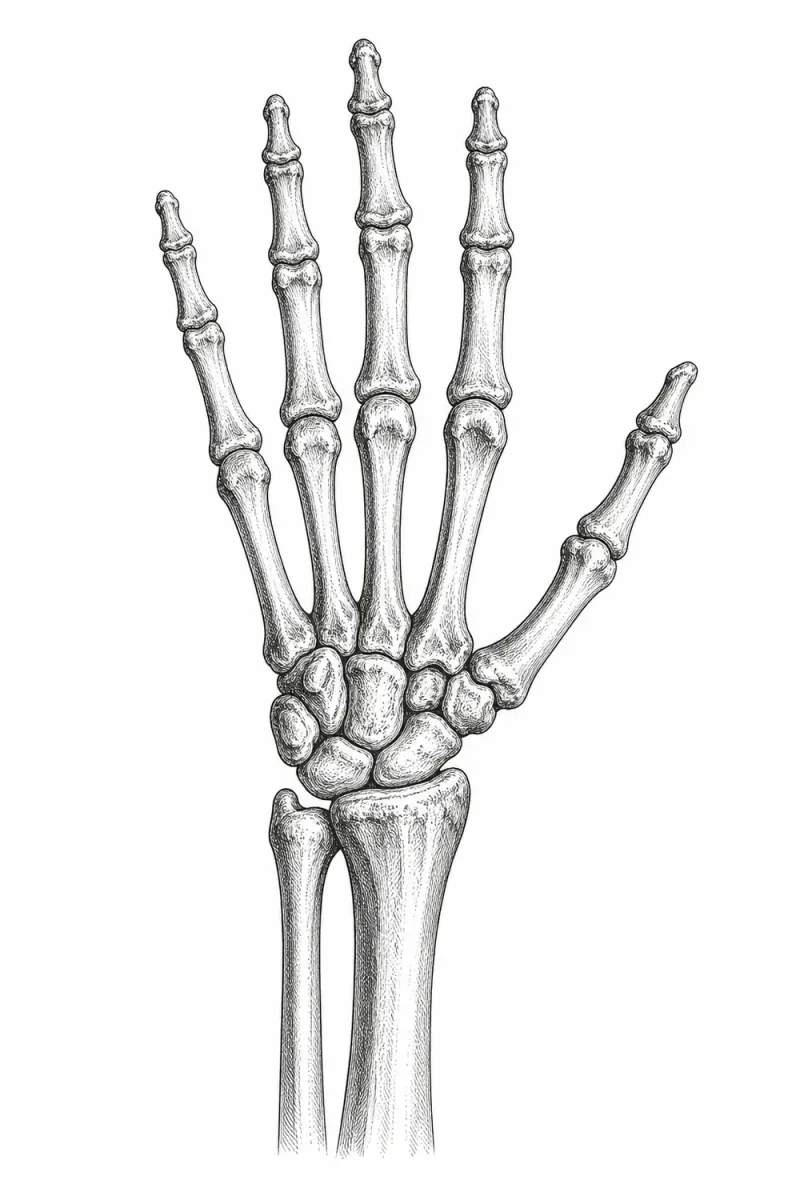 Hand and wristWrist or finger fracture · Dislocation · Dupuytren's disease
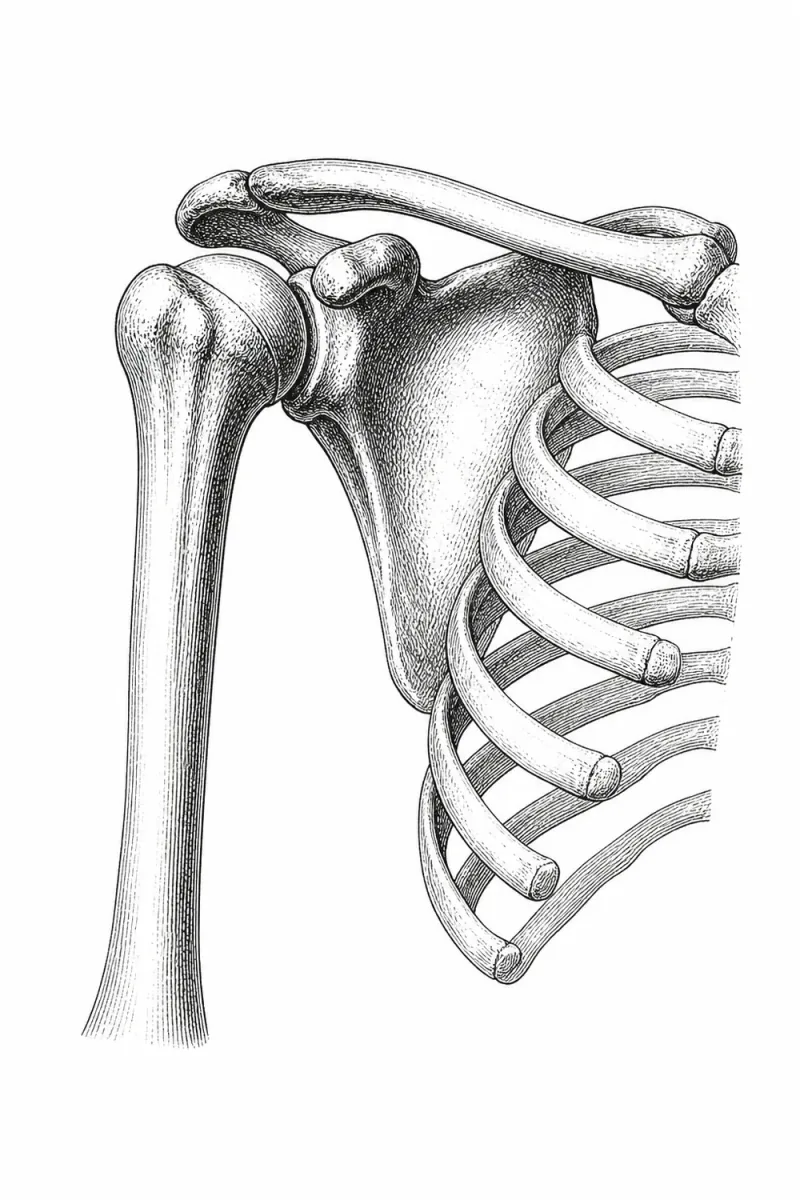 Shoulder and upper limbShoulder pain or instability · Neck pain, cervicobrachial neuralgia · Torticollis
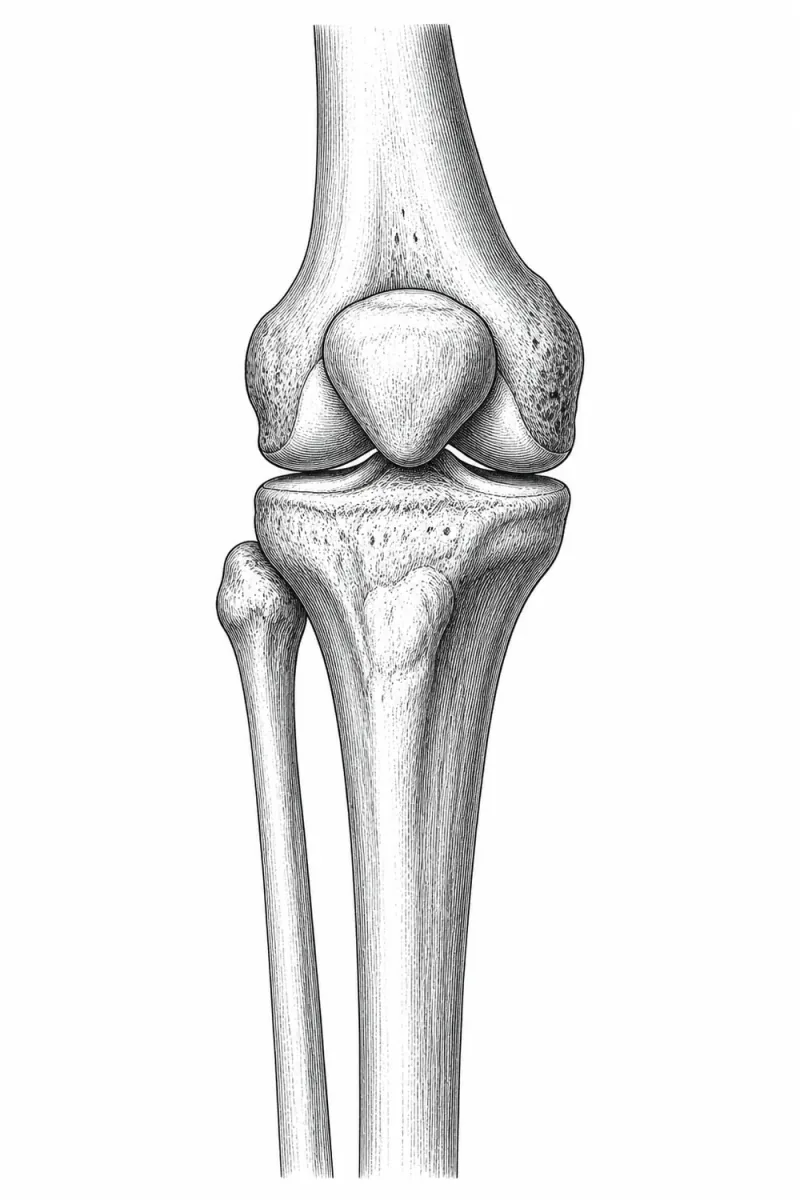 Sports physiotherapySprain, ACL, muscle injury · Shoulder instability · Athlete's tendinopathy
- Running analysisRecurring pain when running · Return to running after injury · Preparing for a race
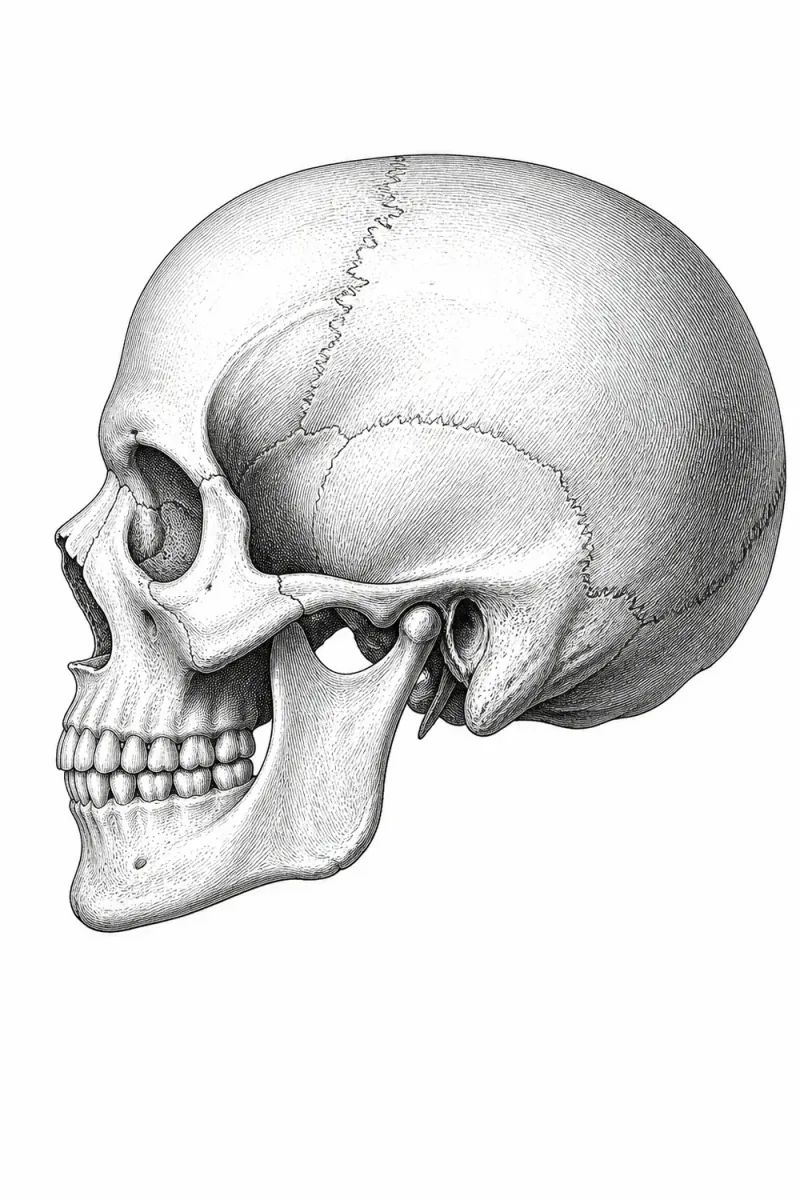 Jaw and faceJaw pain · Bruxism · Migraines, headaches
- Functional physiotherapyBack, hip or knee pain · After surgery (joint replacement, ligaments) · Loss of balance, fall prevention
The team
Four state-registered physiotherapists. Click on a practitioner to discover their background and areas of expertise.
Meet the team


The practice
Private treatment rooms and a fully equipped training area for active rehabilitation, in Paris, by appointment. 109 Boulevard de Sébastopol, 75002 Paris.
Training area
- Squat rack and plates
- Leg press
- Leg extension
- Cable pulleys
- Weight bench and dumbbells
- Exercise bike
- Treadmill (running analysis)
- Private treatment rooms


The training area lets us reproduce the movements of your daily life or your sport under real load, and track your progress objectively until you are fully back.
Patient reviews
Reviews published on the practice's Google listing, shown as they are and updated automatically.
Loading Google reviews…
Before your first session
Physio 109
109 Boulevard de Sébastopol, 75002 Paris
- Do I need a prescription?
- Generally yes, to be reimbursed. Direct access exists in certain situations; contact us if in doubt.
- How does a session work?
- A thorough initial assessment to understand your situation, even if you are not sure where the problem comes from, then follow-up sessions and exercises to continue at home. Goals are set together.
- What should I bring?
- Prescription, medical reports, imaging. Your shoes for a running analysis, your night guard for jaw treatment.
Frequently asked questions
All questionsWhat is physiotherapy for?
Physiotherapy supports the recovery of physical and functional abilities after an injury, pain, surgery or a period of immobilisation. It works on mobility, strength and coordination and on a gradual return to everyday activities or sport.
Do I need a prescription?
For sessions to be reimbursed by French national health insurance, a medical prescription is generally required. Direct access without a prescription exists in certain situations provided for by law; you can also consult without a prescription at your own expense. If in doubt, contact the practice before your first appointment.
I don't know where my pain comes from or which physiotherapist to choose. Can I still book?
Yes. Every physiotherapist at the practice sees patients for any reason, and you don't need a diagnosis to consult. The first session is an assessment: its purpose is precisely to understand your situation and decide together what comes next. If another physiotherapist at the practice has a particular focus on your problem, we will let you know.
What should I bring to a session?
Depending on the reason for your visit, it is useful to bring your medical reports, operative reports, prescriptions and any previous imaging. For a running analysis, bring your usual running shoes. For jaw treatment, bring your night guard if you have one.
How many sessions will I need?
The number of sessions depends on the reason for your visit, how your symptoms evolve, how regularly you do your home exercises and your goals. It is reviewed with you regularly during treatment.
Book an appointment, whatever your concern: the first assessment will work it out.
Book on Doctolib (Doctolib, opens in a new tab)